AI Advantage

Blind-tested on invented requestsBlind-tested on written requests with an invented business and invented prices. Photo reading has not been tested. Results from real businesses will be added only after the pilot has run.

Photo-to-Estimate

Writing estimates takes time, and many requests need a trip just to see the job. Details arrive in pieces, and estimates go out late.

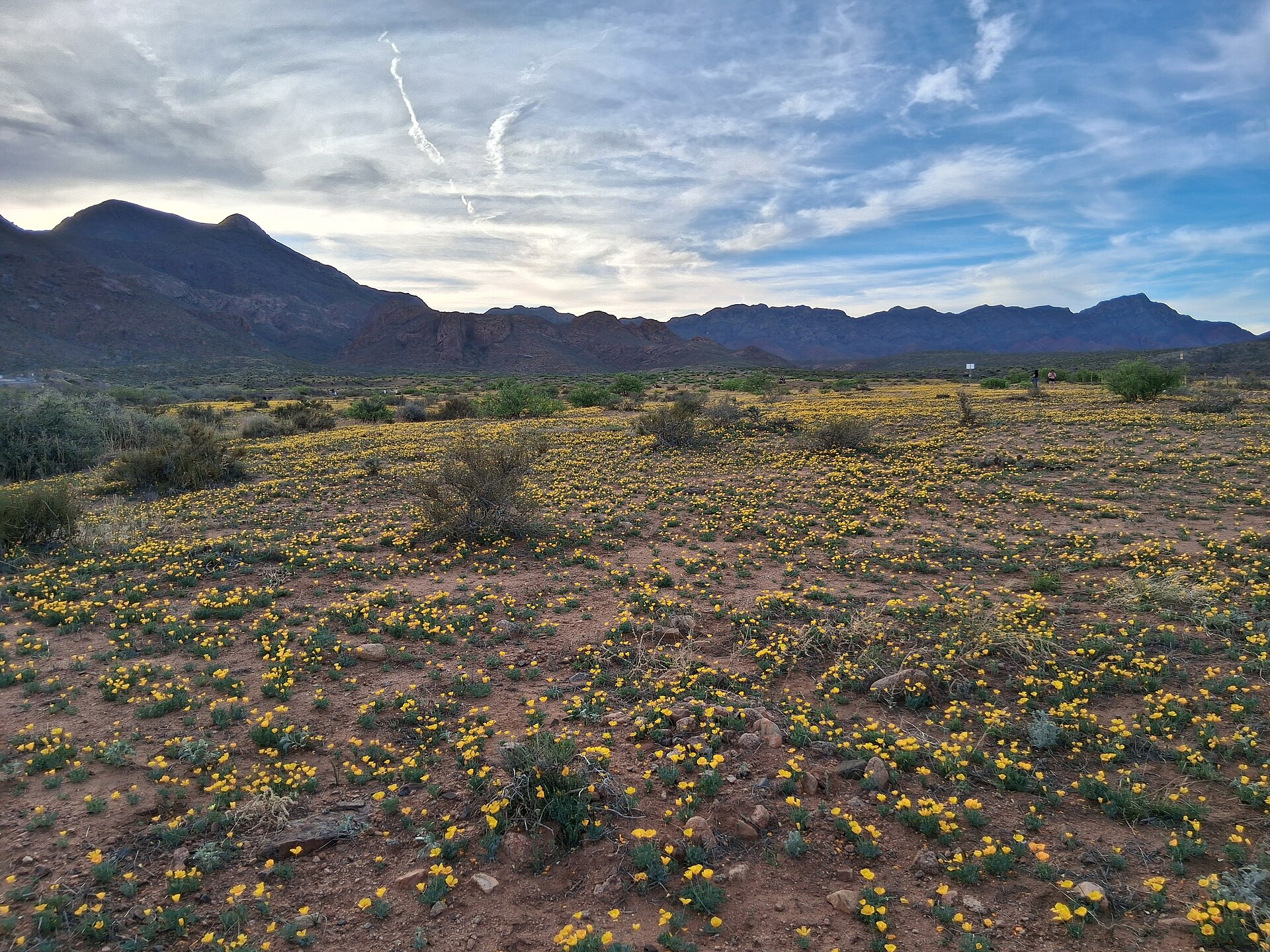
Poppies beneath the Franklin Mountains in northeast El Paso

Turn a customer's photos and description into a draft estimate based on your own pricing rules, for you to review.

Photo-to-Estimate is a pilot for members who enter their own price book. You approve, change or reject every estimate, and Radar sends nothing; it opens to each member once the gates on its page have cleared. The other three solutions are still in research and cannot be used yet. None of them has a price yet.

How it is planned to work

  1. Your customer fills out a short request page and adds photos and a description of the job.
  2. The system lists what it can see and notes what is unclear or missing.
  3. It builds a draft estimate using only the prices and rules you approved. Work it cannot price is marked for a site visit, not guessed.
  4. You review the draft, change anything you like, and approve or reject it.
  5. You send the approved estimate to your customer yourself, using text we prepare for you.

Who it is designed for

  • Service businesses whose work can be judged from photos
  • Businesses with a price list or clear pricing rules
  • Owners who want to spend less time writing routine estimates

What your business would receive

  • A request page for your customers
  • A draft estimate for each request, with every line tied to one of your pricing rules
  • Notes on what the photos showed and what still needs checking
  • Help setting up your pricing rules
  • A regular review of how often drafts needed changes

A worked example

Synthetic example. Not a customer, not a real price book.

Harness case holdout-17 from the blind holdout run (D-108). Its expected answers were committed before any model call.

The request, as the customer wrote it

  • Invented customer, Las Cruces
  • Sent with photos. They are not shown here, and photo reading is untested.

Oye, I need an interior clean para la van de trabajo, una Ford Transit. Huele a humo bien fuerte, can you take care of it?

What the owner receives

Language
Mixed Spanish and English
Vehicle
Truck class: a Ford Transit cargo van
Service requested
Interior clean
Condition
Odor: a strong smoke smell the customer asks to have treated
Work the business does not do
None requested
Instructions hidden in the request
None found

Surcharge rule applied. Odor treatment applies when the customer reports a strong smell or asks for it to be treated. In this synthetic test the tester wrote that rule; a real owner writes their own (D-108).

Draft estimate, invented price book
LineRuleInvented amount
Interior clean, truck classINT_CLEAN.truck115
Odor treatmentODOR50
Total165

Amounts are from the invented price book and are added up by code, not by the model.

Note to the owner. Draft: Interior clean and odor treatment for truck.

Status: draft. Only the owner can approve, change or reject it, and the owner sends an approved estimate personally. Nothing was sent.

The fields and the owner note are model output from the blind run, matching the expected answers.
Blind holdout of 20 unseen invented cases, Haiku, one pass (D-108)

What has been tested

90%of draft totals exact across 20 unseen cases

97.5%of fields correct across the same 20

15 of 15totals exact where no surcharge judgment was involved

In a blind test on 20 invented written requests for a made-up business, 90% of draft totals matched the expected answer, and all 15 that involved no judgment call on a surcharge did. Fields were 97.5% correct.

Haiku got 90% of totals exact and 97.5% of fields across 20 unseen cases, and 100% of totals and 98.9% of fields on the 15 cases not resting on a surcharge judgment.

Text only. Photo reading (vision) is untested, and no real business or real job has been used. Source: solutions/harness/RESULTS.md.

How a pilot would run

  1. You request a consultation, and we aim to reply within two business days.
  2. We talk for 20 to 30 minutes about how you estimate today and count a baseline from your last 30 days.
  3. You enter your own price book, with the rule for when each surcharge applies. That is your business decision, not ours.
  4. Once every gate below has cleared and you have authorized the pilot in writing, the estimate tool opens for your business.
  5. You enter a request and describe its photos in words. Claude drafts lines from your price book, and code adds the amounts. You approve, change or reject every draft, and you send the estimate yourself. Radar sends nothing.
  6. We review drafts with you for 30 minutes each week over 60 days, then you decide whether to continue.

What must clear first

  • Counsel has reviewed how this solution would contact anyone on the business's behalf. Automated messaging stays blocked until then (D-092, decision 2).
  • The operator has approved this specific pilot (D-092, decision 2).
  • Testing before the pilot uses invented conversations or consenting internal testers only (D-092, decision 2).
  • The business owner has authorized the pilot in writing, including what may be drafted and who sends it (D-092, decision 2).
  • An environment for real business data approved by the operator exists (D-151).
  • The operator has ruled on whether drafts the owner sends to real customers can be part of a pilot (D-102).
  • The owner has written a definition for each surcharge, so a draft never guesses when one applies (D-108).

What it will never do

  • Send a binding message or make a commitment on your behalf.
  • Set or change a price. Prices come from you.
  • Contact a real customer without you.
  • Approve its own drafts. Only you can approve an estimate.

In the first version

  • You send every approved estimate yourself.
  • It does not read photos yet. You describe each photo in words, and photo reading is untested.
  • It does not connect to accounting or invoicing software.

Questions owners ask

Can I start using it now?
Once the gates on this page have cleared for your business, including the operator's approval of the pilot and your written authorization. You then enter your own price book and approve, change or reject every estimate. Radar sends nothing.
Who sets the prices?
You do. Every price comes from your written price list, and code adds them up. The model never sets a price.
How accurate is it?
It has only been tested on invented written requests for a made-up business. In that blind test, 90% of totals matched the expected answer. It has not been tested on real photos or real jobs.
Can it see damage the photos do not show?
No. Work it cannot judge from the request is marked for a site visit instead of being priced.
Does it work in Spanish?
Spanish written requests were part of the blind test. Real Spanish use has not been tested.
What if a customer tries to talk it into a lower price?
Instructions inside a request are treated as information, not orders. In the blind test, none of the three attempts changed a price, and only you can approve a draft.
What happens to my business and customer information?
Pilots wait for an environment for real business data approved by the operator (D-151). Until then, testing uses only invented businesses and invented requests.
What does it cost?
There is no price yet. Pilot terms, including any fee, are set by the operator and agreed in writing before anything starts.
Can I stop a pilot?
Yes. How to stop is part of the written pilot terms, and every weekly review is a point to decide whether to continue.

This describes a proposed managed service. No deployment, automated customer contact or outcome is promised. A consultation is an inquiry, not an order.

Request a consultation

Tell us what you estimate and how you price it today. A consultation is a conversation. It does not sign you up for anything.

Please do not include your customers' names, phone numbers or photos. We use this only to reply to you.

Messages are private and are not published. Provide a reply email for a response. Do not send passwords, identity documents or unnecessary personal information.